Buy waltervangerveninstitute.eu ?
We are moving the project
waltervangerveninstitute.eu .
Are you interested in purchasing the domain
waltervangerveninstitute.eu ?
domain@kv-gmbh.de · 0541-91531010
Buy waltervangerveninstitute.eu ?
Can stackable stones promote cognition?
Stackable stones can potentially promote cognition by engaging the brain in problem-solving tasks, improving spatial awareness, and enhancing hand-eye coordination. The act of stacking stones requires focus, concentration, and planning, which can help stimulate cognitive functions. Additionally, the tactile experience of handling the stones can provide sensory feedback that may benefit cognitive development. Overall, incorporating stackable stones into activities or games can be a fun and beneficial way to support cognitive skills. **
Can stepping stones promote cognition?
Yes, stepping stones can promote cognition by engaging both the body and mind. When individuals navigate through stepping stones, they are required to plan their movements, make decisions, and coordinate their actions, which can help improve cognitive functions such as problem-solving, spatial awareness, and memory. Additionally, stepping stones can provide sensory stimulation and feedback, further enhancing cognitive development. Overall, incorporating stepping stones into activities or environments can be a fun and effective way to promote cognitive skills. **


Similar search terms for Cognition
Top-Angebote
Products related to Cognition:
-
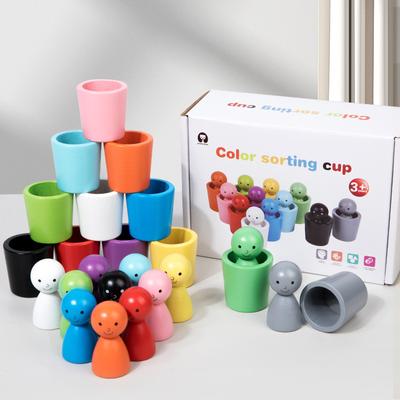
Tiny Tots Teens Trends Montessori Educational Toy, Wooden Color Cups, Sorting Cognition Game For Early Learning Montessori Educational Toy, Wooden Color Cups, Sorting Cognition Game For Early LearningIntroduce your child to the world of learning with the Montessori Wooden Toy Color Cups. Designed to enhance early cognitive development, this engaging matching sorting cognition game training toy provides hours of educational fun. Perfect for young...59,97 $*Shipping: 0,00 $Secure redirect to the provider
-
Nucleum: Energy Research Institute Board Game by Board and Dice - Strategic Economic Board Game with Energy Networks and Research DevelopmentBuild an industrial empire in an alternate twentieth century transformed by the Uranium Revolution. In Nucleum: Energy Research Institute, you compete to develop powerful energy networks, attract investment, and earn the support of influential patrons. Plan your routes, expand your research, and connect cities as you develop increasingly ambitious technologies. Every decision affects your progress, from choosing where to construct facilities to deciding when to pursue new contracts and partnerships. Careful resource management and long-term planning are essential as you compete to become a respected entrepreneur of the age. This strategic economic board game is set during an alternate industrial revolution, where you must balance research, investment, construction, and technological progress to succeed.23,82 £*Shipping: 3,95 £Secure redirect to the provider
-
Perfect Picks Market Geometric Building Blocks Set For Kids Early Education Intelligence Development Toy Geometric Building Blocks Set For Kids Early Education Intelligence Development ToyUnlock your child's potential with this early education equipment designed to stimulate creativity and intelligence! This geometric set is the perfect building block toy for boys, helping to develop problemsolving skills while having fun. The...35,97 $*Shipping: 0,00 $Secure redirect to the provider
-
Research-powered Eye Duo - Skincare Kit Charlotte Tilbury 3026 Charlotte's Research-powered Eye Duo Size:Darlings, unlock the secret to eyes that appear brighter, depuffed, smoother and younger with my Research-Powered Eye Duo! This CharlotteTilbury.com EXCLUSIVE skincare duo includes:94,05 £*Shipping: 0,00 £Secure redirect to the provider



-
'By which impulses is cognition promoted in kindergarten?'
Cognition is promoted in kindergarten through various impulses such as sensory experiences, hands-on activities, and social interactions. Sensory experiences, such as exploring different textures and materials, help children develop their cognitive abilities by engaging their senses and making connections between their experiences and the world around them. Hands-on activities, such as puzzles, building blocks, and art projects, encourage children to use their problem-solving skills and think critically. Social interactions with peers and teachers also promote cognition by providing opportunities for children to communicate, collaborate, and learn from each other. Overall, these impulses help to stimulate children's cognitive development and lay the foundation for future learning. **
-
What is Immanuel Kant's theory on human cognition?
Immanuel Kant's theory on human cognition is based on the idea that our knowledge of the world is not solely derived from sensory experience, but is also shaped by the mind's innate structures and categories. He argued that the mind actively organizes and interprets sensory input through concepts such as space, time, and causality. Kant believed that these innate structures, which he called "a priori" categories, are necessary for us to make sense of the world and form coherent knowledge. This theory of cognition is central to Kant's philosophy and has had a significant influence on the development of modern psychology and cognitive science. **
-
Does market research hinder innovation in business administration?
Market research does not necessarily hinder innovation in business administration. In fact, it can provide valuable insights into consumer needs and preferences, helping businesses to develop innovative products and services that meet market demands. By understanding market trends and customer behavior, businesses can identify opportunities for innovation and stay ahead of competitors. However, relying too heavily on market research without allowing room for creativity and risk-taking can limit the potential for groundbreaking innovations. It is important for businesses to strike a balance between leveraging market research and fostering a culture of innovation to drive success in business administration. **
-
What exactly does innovation mean?
Innovation refers to the process of creating new ideas, products, or methods that bring about positive change or improvement. It involves thinking outside the box, taking risks, and challenging the status quo to develop something unique and valuable. Innovation can occur in various fields such as technology, business, science, and art, and is essential for driving progress and growth in society. **

What does innovation mean exactly?
Innovation refers to the process of creating new ideas, products, or methods that bring about positive change or improvement. It involves thinking outside the box, taking risks, and challenging the status quo to develop something that is novel and valuable. Innovation can occur in various fields, such as technology, business, science, and the arts, and it often leads to advancements that benefit society as a whole. Overall, innovation is about pushing boundaries and finding creative solutions to address existing challenges or meet new needs. **
What is the research question for experiential education?
The research question for experiential education could be: "How does experiential education impact student learning outcomes and skill development compared to traditional classroom-based learning?" This question aims to investigate the effectiveness of experiential learning in enhancing students' understanding, retention of knowledge, and application of skills in real-world settings. By comparing experiential education with traditional methods, researchers can assess the unique benefits and limitations of this approach in promoting holistic learning experiences for students. **
Top-Angebote
Products related to Cognition:
-
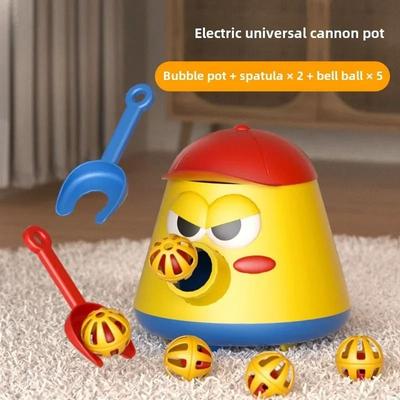
Uplift Picks Montessori Bell Learning Toy DIY Cognition Training Game For Kids vacuum CleanerSpark curiosity and hands on discovery with this engaging Montessori bell learning toy designed to make learning playful and interactive. This fun educational cognition training game encourages children to match, identify, and respond to sound and...52,48 $*Shipping: 0,00 $Secure redirect to the provider
-
ZeinPharma Ginkgo Biloba 100mg Memory and Cognition Food Supplement 120 caps.A food supplement. It designed to enhance circulation and promote healthy brain function. This vegetarian capsule offers a unique texture and easy application, addressing common concerns such as joint health and cognitive support. Supports healthy circulation. Enhances cognitive function. Inflammation-reducing properties.22,02 £*Shipping: 5,22 £Secure redirect to the provider
-
Tiny Tots Teens Trends Montessori Educational Toy, Wooden Color Cups, Sorting Cognition Game For Early Learning Montessori Educational Toy, Wooden Color Cups, Sorting Cognition Game For Early LearningIntroduce your child to the world of learning with the Montessori Wooden Toy Color Cups. Designed to enhance early cognitive development, this engaging matching sorting cognition game training toy provides hours of educational fun. Perfect for young...59,97 $*Shipping: 0,00 $Secure redirect to the provider
-
Nucleum: Energy Research Institute Board Game by Board and Dice - Strategic Economic Board Game with Energy Networks and Research DevelopmentBuild an industrial empire in an alternate twentieth century transformed by the Uranium Revolution. In Nucleum: Energy Research Institute, you compete to develop powerful energy networks, attract investment, and earn the support of influential patrons. Plan your routes, expand your research, and connect cities as you develop increasingly ambitious technologies. Every decision affects your progress, from choosing where to construct facilities to deciding when to pursue new contracts and partnerships. Careful resource management and long-term planning are essential as you compete to become a respected entrepreneur of the age. This strategic economic board game is set during an alternate industrial revolution, where you must balance research, investment, construction, and technological progress to succeed.23,82 £*Shipping: 3,95 £Secure redirect to the provider
-
Can stackable stones promote cognition?
Stackable stones can potentially promote cognition by engaging the brain in problem-solving tasks, improving spatial awareness, and enhancing hand-eye coordination. The act of stacking stones requires focus, concentration, and planning, which can help stimulate cognitive functions. Additionally, the tactile experience of handling the stones can provide sensory feedback that may benefit cognitive development. Overall, incorporating stackable stones into activities or games can be a fun and beneficial way to support cognitive skills. **
-
Can stepping stones promote cognition?
Yes, stepping stones can promote cognition by engaging both the body and mind. When individuals navigate through stepping stones, they are required to plan their movements, make decisions, and coordinate their actions, which can help improve cognitive functions such as problem-solving, spatial awareness, and memory. Additionally, stepping stones can provide sensory stimulation and feedback, further enhancing cognitive development. Overall, incorporating stepping stones into activities or environments can be a fun and effective way to promote cognitive skills. **
-
'By which impulses is cognition promoted in kindergarten?'
Cognition is promoted in kindergarten through various impulses such as sensory experiences, hands-on activities, and social interactions. Sensory experiences, such as exploring different textures and materials, help children develop their cognitive abilities by engaging their senses and making connections between their experiences and the world around them. Hands-on activities, such as puzzles, building blocks, and art projects, encourage children to use their problem-solving skills and think critically. Social interactions with peers and teachers also promote cognition by providing opportunities for children to communicate, collaborate, and learn from each other. Overall, these impulses help to stimulate children's cognitive development and lay the foundation for future learning. **
-
What is Immanuel Kant's theory on human cognition?
Immanuel Kant's theory on human cognition is based on the idea that our knowledge of the world is not solely derived from sensory experience, but is also shaped by the mind's innate structures and categories. He argued that the mind actively organizes and interprets sensory input through concepts such as space, time, and causality. Kant believed that these innate structures, which he called "a priori" categories, are necessary for us to make sense of the world and form coherent knowledge. This theory of cognition is central to Kant's philosophy and has had a significant influence on the development of modern psychology and cognitive science. **
Similar search terms for Cognition
-
Perfect Picks Market Geometric Building Blocks Set For Kids Early Education Intelligence Development Toy Geometric Building Blocks Set For Kids Early Education Intelligence Development ToyUnlock your child's potential with this early education equipment designed to stimulate creativity and intelligence! This geometric set is the perfect building block toy for boys, helping to develop problemsolving skills while having fun. The...35,97 $*Shipping: 0,00 $Secure redirect to the provider
-
Research-powered Eye Duo - Skincare Kit Charlotte Tilbury 3026 Charlotte's Research-powered Eye Duo Size:Darlings, unlock the secret to eyes that appear brighter, depuffed, smoother and younger with my Research-Powered Eye Duo! This CharlotteTilbury.com EXCLUSIVE skincare duo includes:94,05 £*Shipping: 0,00 £Secure redirect to the provider
-
Uplift Picks Montessori Bell Learning Toy DIY Cognition Training Game For Kids bubble PotSpark curiosity and hands on discovery with this engaging Montessori bell learning toy designed to make learning playful and interactive. This fun educational cognition training game encourages children to match, identify, and respond to sound and...59,48 $*Shipping: 0,00 $Secure redirect to the provider
-
Does market research hinder innovation in business administration?
Market research does not necessarily hinder innovation in business administration. In fact, it can provide valuable insights into consumer needs and preferences, helping businesses to develop innovative products and services that meet market demands. By understanding market trends and customer behavior, businesses can identify opportunities for innovation and stay ahead of competitors. However, relying too heavily on market research without allowing room for creativity and risk-taking can limit the potential for groundbreaking innovations. It is important for businesses to strike a balance between leveraging market research and fostering a culture of innovation to drive success in business administration. **
-
What exactly does innovation mean?
Innovation refers to the process of creating new ideas, products, or methods that bring about positive change or improvement. It involves thinking outside the box, taking risks, and challenging the status quo to develop something unique and valuable. Innovation can occur in various fields such as technology, business, science, and art, and is essential for driving progress and growth in society. **
-
What does innovation mean exactly?
Innovation refers to the process of creating new ideas, products, or methods that bring about positive change or improvement. It involves thinking outside the box, taking risks, and challenging the status quo to develop something that is novel and valuable. Innovation can occur in various fields, such as technology, business, science, and the arts, and it often leads to advancements that benefit society as a whole. Overall, innovation is about pushing boundaries and finding creative solutions to address existing challenges or meet new needs. **
-
What is the research question for experiential education?
The research question for experiential education could be: "How does experiential education impact student learning outcomes and skill development compared to traditional classroom-based learning?" This question aims to investigate the effectiveness of experiential learning in enhancing students' understanding, retention of knowledge, and application of skills in real-world settings. By comparing experiential education with traditional methods, researchers can assess the unique benefits and limitations of this approach in promoting holistic learning experiences for students. **
* All prices are inclusive of VAT and, if applicable, plus shipping costs. The offer information is based on the details provided by the respective shop and is updated through automated processes. Real-time updates do not occur, so deviations can occur in individual cases. ** Note: Parts of this content were created by AI.