Buy waltervangerveninstitute.eu ?
We are moving the project
waltervangerveninstitute.eu .
Are you interested in purchasing the domain
waltervangerveninstitute.eu ?
domain@kv-gmbh.de · 0541-91531010
Buy waltervangerveninstitute.eu ?
What is the difference between cylinder compressive strength and cube compressive strength?
Cylinder compressive strength and cube compressive strength are both measures of the ability of concrete to withstand compressive forces. The main difference between the two lies in the shape of the specimens used for testing. Cylinder compressive strength is measured using cylindrical specimens, while cube compressive strength is measured using cube-shaped specimens. The choice between the two depends on the specific requirements of the project and the testing standards being followed. **
What are compressive forces and tensile forces?
Compressive forces are forces that act to squeeze or compact an object, causing it to become shorter or more compact. Tensile forces, on the other hand, are forces that act to stretch or pull an object, causing it to become longer or more elongated. Both types of forces are important in understanding how materials respond to external loads and are critical in engineering and structural design. **


Similar search terms for Compressive
Top-Angebote
Products related to Compressive:
-
Research-powered Eye Duo - Skincare Kit Charlotte Tilbury 2896 Charlotte's Research-powered Eye Duo Size:Darlings, unlock the secret to eyes that appear brighter, depuffed, smoother and younger with my Research-Powered Eye Duo! This CharlotteTilbury.com EXCLUSIVE skincare duo includes:94,05 £*Shipping: 0,00 £Secure redirect to the provider
-
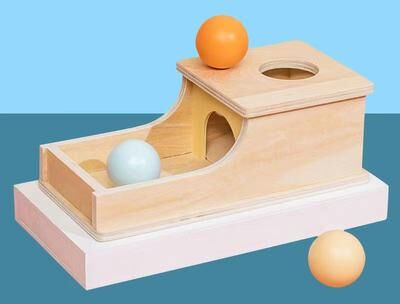
Tiny Tots Teens Trends Drawer Game Early Education Montessori Wooden Pitch Ball Box Preschool Learning Training Toy Drawer Game Early Education Montessori Wooden Pitch Ball Box Preschool Learning Training ToyThis Montessori Wooden Pitch Ball Box Drawer Game is a thoughtfully designed earlyeducation toy that transforms playtime into purposeful learning. Crafted for toddlers and preschoolers, it offers a handson, engaging way to support key developmental...39,97 $*Shipping: 0,00 $Secure redirect to the provider
-
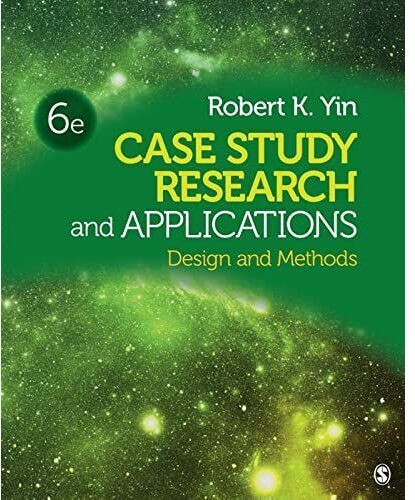
SAGE Publications Case Study Research and Applications: Design and MethodsRecognized as one of the most cited methodology books in the social sciences, the Sixth Edition of Robert K. Yin′s bestselling text provides a complete portal to the world of case study research. With the integration of 11 applications in this edition, the book gives readers access to exemplary case studies drawn from a wide variety of academic and applied fields. Ultimately, Case Study Research and Applications will guide students in the successful use and application of the case study research method.59,99 £*Shipping: 0,00 £Secure redirect to the provider


-
What is the compressive strength of structural steel?
The compressive strength of structural steel typically ranges from 250 MPa to 400 MPa, depending on the grade and type of steel used. This high compressive strength makes structural steel a popular choice for construction projects where strength and durability are essential. It allows structural steel to withstand heavy loads and provide stability to buildings and other structures. **
-
What is the function of a compressive bandage?
A compressive bandage is used to apply pressure to a specific area of the body in order to reduce swelling, control bleeding, and provide support to injured muscles or joints. The pressure from the bandage helps to limit the movement of injured body parts, which can prevent further damage and promote healing. Additionally, compressive bandages can help improve blood circulation and reduce the risk of blood clots. **
-
What is the difference between compressive force and stress?
Compressive force is the external force applied to an object in a direction that tends to compress or shorten the object. Stress, on the other hand, is the internal resistance of a material to deformation under an applied force. In other words, compressive force is the external force acting on an object, while stress is the internal response of the object to that force. Stress is a measure of how much force is distributed over a given area, while compressive force is simply the magnitude of the force applied. **
-
What is the explanation for compressive stress and tensile stress?
Compressive stress occurs when a material is being pushed or squeezed, causing it to become shorter in length. This type of stress is caused by forces acting to compress the material. Tensile stress, on the other hand, occurs when a material is being pulled or stretched, causing it to become longer in length. This type of stress is caused by forces acting to stretch the material. Both compressive and tensile stress are important factors in understanding the behavior of materials under different types of loading conditions. **


What is the difference between compressive stresses and tensile stresses in concrete engineering?
Compressive stresses in concrete engineering refer to forces that tend to compress or shorten the material, while tensile stresses refer to forces that tend to stretch or elongate the material. Concrete is much stronger in compression than in tension, so it is important to design structures that can withstand both types of stresses. Reinforcing materials like steel bars are often used to help concrete withstand tensile stresses. **
What is the difference between compressive stress and tensile stress in concrete engineering?
Compressive stress in concrete engineering refers to the force that tends to crush or compact the material, while tensile stress refers to the force that tends to pull or stretch the material apart. In concrete, compressive stress is typically the dominant type of stress, as concrete is much stronger in compression than in tension. Tensile stress can lead to cracking and failure in concrete structures, which is why reinforcement such as steel bars are often used to counteract this type of stress. **
Top-Angebote
Products related to Compressive:
-
Nucleum: Energy Research Institute Board Game by Board and Dice - Strategic Economic Board Game with Energy Networks and Research DevelopmentBuild an industrial empire in an alternate twentieth century transformed by the Uranium Revolution. In Nucleum: Energy Research Institute, you compete to develop powerful energy networks, attract investment, and earn the support of influential patrons. Plan your routes, expand your research, and connect cities as you develop increasingly ambitious technologies. Every decision affects your progress, from choosing where to construct facilities to deciding when to pursue new contracts and partnerships. Careful resource management and long-term planning are essential as you compete to become a respected entrepreneur of the age. This strategic economic board game is set during an alternate industrial revolution, where you must balance research, investment, construction, and technological progress to succeed.21,79 £*Shipping: 3,95 £Secure redirect to the provider
-
Perfect Picks Market Geometric Building Blocks Set For Kids Early Education Intelligence Development Toy Geometric Building Blocks Set For Kids Early Education Intelligence Development ToyUnlock your child's potential with this early education equipment designed to stimulate creativity and intelligence! This geometric set is the perfect building block toy for boys, helping to develop problemsolving skills while having fun. The...35,97 $*Shipping: 0,00 $Secure redirect to the provider
-
Research-powered Eye Duo - Skincare Kit Charlotte Tilbury 2896 Charlotte's Research-powered Eye Duo Size:Darlings, unlock the secret to eyes that appear brighter, depuffed, smoother and younger with my Research-Powered Eye Duo! This CharlotteTilbury.com EXCLUSIVE skincare duo includes:94,05 £*Shipping: 0,00 £Secure redirect to the provider
-
What is the difference between cylinder compressive strength and cube compressive strength?
Cylinder compressive strength and cube compressive strength are both measures of the ability of concrete to withstand compressive forces. The main difference between the two lies in the shape of the specimens used for testing. Cylinder compressive strength is measured using cylindrical specimens, while cube compressive strength is measured using cube-shaped specimens. The choice between the two depends on the specific requirements of the project and the testing standards being followed. **
-
What are compressive forces and tensile forces?
Compressive forces are forces that act to squeeze or compact an object, causing it to become shorter or more compact. Tensile forces, on the other hand, are forces that act to stretch or pull an object, causing it to become longer or more elongated. Both types of forces are important in understanding how materials respond to external loads and are critical in engineering and structural design. **
-
What is the compressive strength of structural steel?
The compressive strength of structural steel typically ranges from 250 MPa to 400 MPa, depending on the grade and type of steel used. This high compressive strength makes structural steel a popular choice for construction projects where strength and durability are essential. It allows structural steel to withstand heavy loads and provide stability to buildings and other structures. **
-
What is the function of a compressive bandage?
A compressive bandage is used to apply pressure to a specific area of the body in order to reduce swelling, control bleeding, and provide support to injured muscles or joints. The pressure from the bandage helps to limit the movement of injured body parts, which can prevent further damage and promote healing. Additionally, compressive bandages can help improve blood circulation and reduce the risk of blood clots. **
Similar search terms for Compressive
-
Tiny Tots Teens Trends Drawer Game Early Education Montessori Wooden Pitch Ball Box Preschool Learning Training Toy Drawer Game Early Education Montessori Wooden Pitch Ball Box Preschool Learning Training ToyThis Montessori Wooden Pitch Ball Box Drawer Game is a thoughtfully designed earlyeducation toy that transforms playtime into purposeful learning. Crafted for toddlers and preschoolers, it offers a handson, engaging way to support key developmental...39,97 $*Shipping: 0,00 $Secure redirect to the provider
-
SAGE Publications Case Study Research and Applications: Design and MethodsRecognized as one of the most cited methodology books in the social sciences, the Sixth Edition of Robert K. Yin′s bestselling text provides a complete portal to the world of case study research. With the integration of 11 applications in this edition, the book gives readers access to exemplary case studies drawn from a wide variety of academic and applied fields. Ultimately, Case Study Research and Applications will guide students in the successful use and application of the case study research method.59,99 £*Shipping: 0,00 £Secure redirect to the provider
-
What is the difference between compressive force and stress?
Compressive force is the external force applied to an object in a direction that tends to compress or shorten the object. Stress, on the other hand, is the internal resistance of a material to deformation under an applied force. In other words, compressive force is the external force acting on an object, while stress is the internal response of the object to that force. Stress is a measure of how much force is distributed over a given area, while compressive force is simply the magnitude of the force applied. **
-
What is the explanation for compressive stress and tensile stress?
Compressive stress occurs when a material is being pushed or squeezed, causing it to become shorter in length. This type of stress is caused by forces acting to compress the material. Tensile stress, on the other hand, occurs when a material is being pulled or stretched, causing it to become longer in length. This type of stress is caused by forces acting to stretch the material. Both compressive and tensile stress are important factors in understanding the behavior of materials under different types of loading conditions. **
-
What is the difference between compressive stresses and tensile stresses in concrete engineering?
Compressive stresses in concrete engineering refer to forces that tend to compress or shorten the material, while tensile stresses refer to forces that tend to stretch or elongate the material. Concrete is much stronger in compression than in tension, so it is important to design structures that can withstand both types of stresses. Reinforcing materials like steel bars are often used to help concrete withstand tensile stresses. **
-
What is the difference between compressive stress and tensile stress in concrete engineering?
Compressive stress in concrete engineering refers to the force that tends to crush or compact the material, while tensile stress refers to the force that tends to pull or stretch the material apart. In concrete, compressive stress is typically the dominant type of stress, as concrete is much stronger in compression than in tension. Tensile stress can lead to cracking and failure in concrete structures, which is why reinforcement such as steel bars are often used to counteract this type of stress. **
* All prices are inclusive of VAT and, if applicable, plus shipping costs. The offer information is based on the details provided by the respective shop and is updated through automated processes. Real-time updates do not occur, so deviations can occur in individual cases. ** Note: Parts of this content were created by AI.